


A sound Ridgway home price starts with more than a quick online estimate. Learn how to compare mountain properties, read the signals behind an asking price, and build an offer or selling plan around the details that matter.
Start With the Property, Not Just the Price
Two homes with similar square footage can tell very different stories. One may sit close to Ridgway’s town amenities; another may offer more acreage or a different mountain view. Condition, access, utility services, and the cost of maintaining each property can all affect what a buyer is willing to pay.
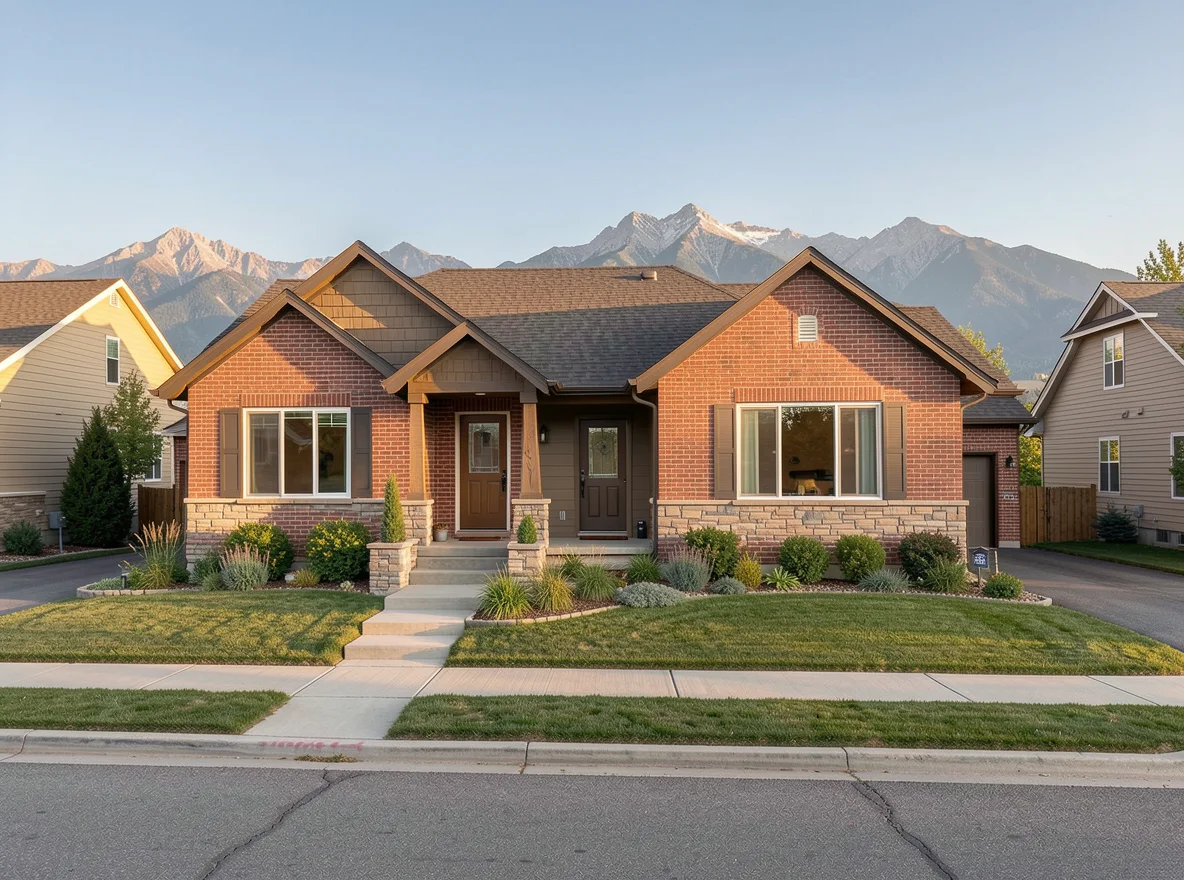
For sellers, that means a price-per-square-foot figure is a starting point, not a verdict. For buyers, it means looking beyond the listing photos and asking what is included in the price. A remodeled kitchen may be appealing, but so are less visible features such as a well-maintained roof, dependable access, and documented utility arrangements.
A useful pricing conversation begins with recently sold properties that share as many important characteristics as possible. Look at location, lot size, age, condition, floor plan, and any outbuildings. Then discuss meaningful differences rather than assuming that every feature adds a fixed amount of value. When there are few close matches, an agent may need to look across a broader area or time period and explain the limitations of those comparisons.
Active listings add context, too: they show what buyers can choose from now. They do not, however, prove what a property will sell for. Pending sales can reveal competition, while completed sales provide evidence of prices buyers and sellers actually agreed to. Ask your agent which data is available and how recent it is before drawing conclusions.
A nearby home’s asking price is competition, not a confirmed sale. Use closed sales to help ground a pricing decision, then compare your property with the choices currently on the market.
A Practical Pricing Plan for Sellers
Before choosing a list price, walk through the home with an eye toward the details a buyer will notice and the questions an inspector may raise. Gather records for improvements, routine maintenance, and any known issues. Clear documentation cannot replace a buyer’s due diligence, but it can make conversations more productive.
Prioritize work that improves presentation or addresses a known problem, and weigh the cost against the likely benefit. Cleaning, organizing, and making small repairs may be worthwhile; a major renovation is a larger decision that deserves a closer look at comparable homes and your budget. Your agent can help you decide which projects make sense before photography and showings.
Set a price range using the evidence, then choose a list price that reflects the home’s condition and the competition. Discuss how you will evaluate the response after launch: showing activity, buyer feedback, competing listings, and any offers received. A price adjustment is one possible response if the evidence warrants it, but it should be considered alongside presentation, access for showings, and broader market conditions.
Plan for the Costs Around a Sale
The offer price is only part of a seller’s bottom line. Before listing, ask for an estimated net sheet that accounts for the mortgage payoff, customary closing expenses, any agreed concessions, and potential repair costs. Estimates can change, but seeing them early helps you compare offers on terms that matter to you.
Build an Offer Around Value and Risk
For buyers, an effective offer begins with a clear budget and a review of the property—not a guess at what it takes to win. If financing, speak with a lender about preapproval and the costs of your loan. Consider property taxes, insurance, utilities, maintenance, and any association dues alongside the monthly payment.
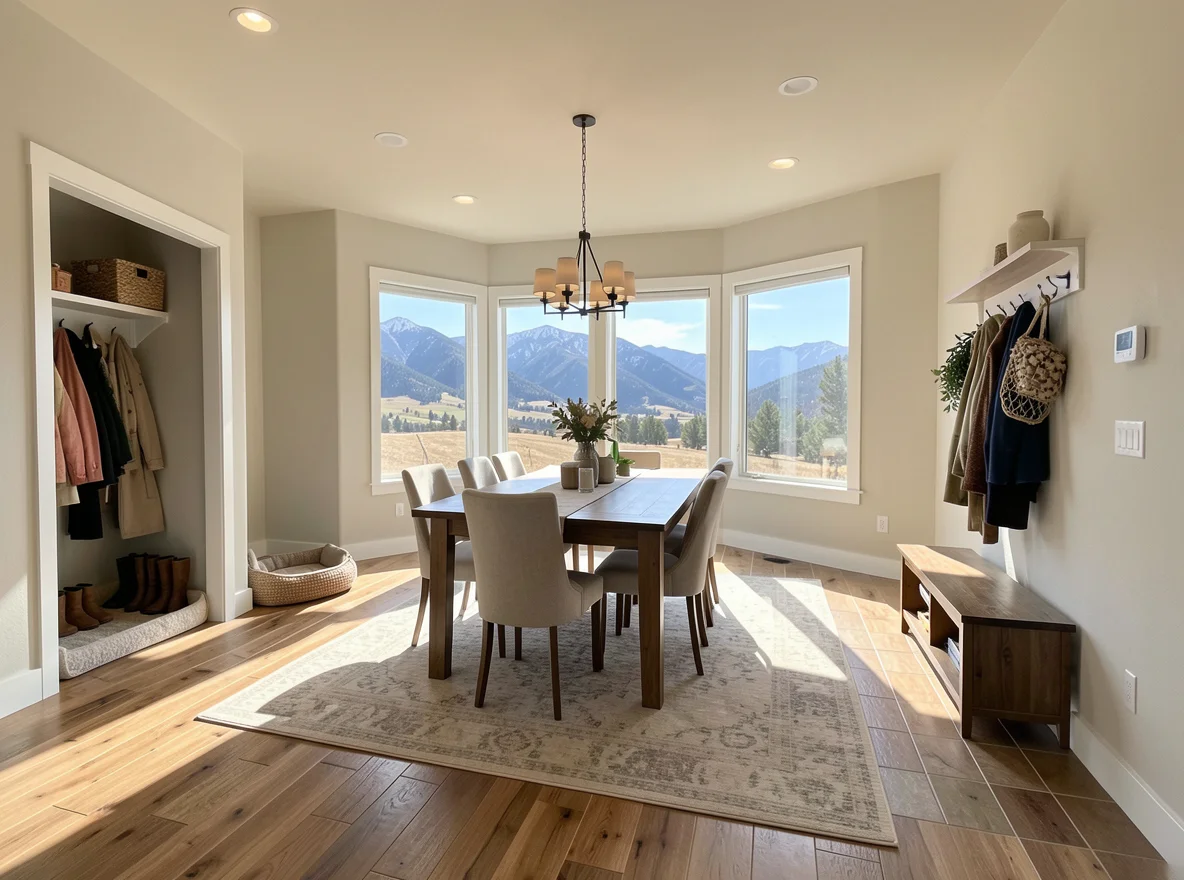
Next, ask your agent to review comparable sales and the listing’s history. How long has it been available? Has the price changed? What features distinguish it from other homes you have seen? Those details can inform your initial price, but they do not reveal the seller’s private circumstances or guarantee how the seller will respond.
Price is only one part of an offer. Financing terms, earnest money, inspection provisions, appraisal terms, closing date, and requested concessions can also influence how the seller weighs it. An offer with a convenient closing date may be appealing to one seller and less useful to another, so ask what matters before assuming.
Keep the risks of changing or waiving protections in view. An inspection can help identify concerns, and an appraisal may matter to both your financing and your cash requirements. Your agent and lender can explain the implications of particular contract terms; consult an attorney when legal advice is needed. A competitive offer should still leave you comfortable with the commitments you are making.
The strongest offer is not automatically the highest one. Price, financing, deadlines, and contingencies work together—and each term can affect your costs or risk.
Ask Mountain-Property Questions Early
Features that make a property distinctive can also make it harder to compare. Depending on the home, buyers may want to investigate road access and maintenance, water and wastewater systems, drainage, insurance availability, and any recorded easements or restrictions. Do not assume that neighboring properties have identical arrangements.
Ask for available documents and allow time to review them with appropriate professionals. A property inspection, insurance quote, survey review, or conversation with a utility provider may reveal information that affects your decision or budget. Sellers can prepare by gathering relevant records and discussing required disclosures with their agent.
Keep the Conversation Current
Market conditions can change, and a useful strategy should change with the evidence. Buyers should revisit their comparisons when a new listing or sale appears; sellers should reassess when competing inventory or buyer feedback shifts. Rather than relying on a broad headline, ask for a current review of properties most relevant to your decision.
Whether you are preparing to list or deciding what to offer, the goal is the same: understand the home, compare it thoughtfully, and choose terms you can support. A locally informed conversation with Anne Britt Ostlund can help you organize the questions and take the next step with greater clarity.