
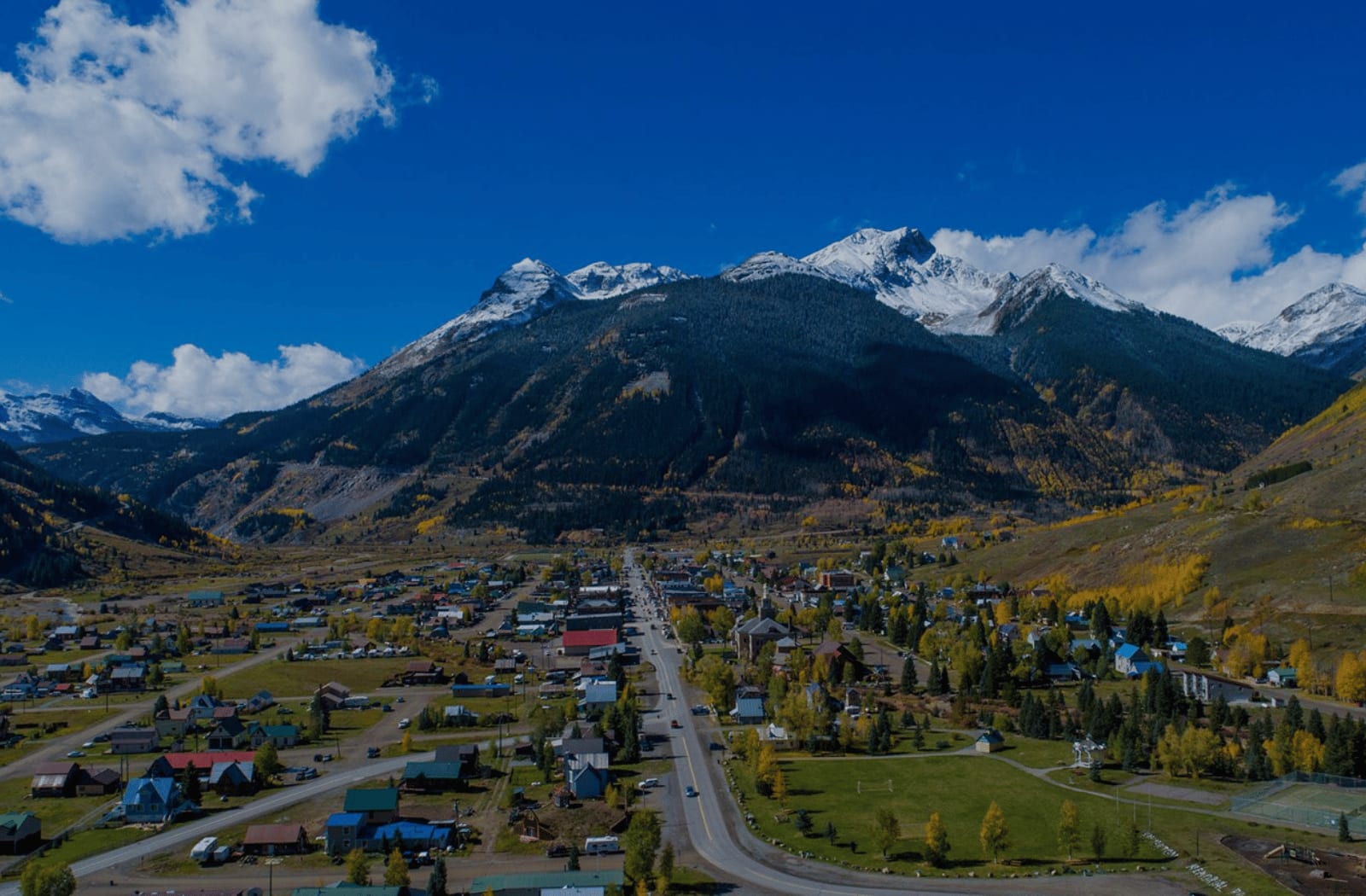

This guide explains why Silverton mountain names matter to home buyers and sellers: they reveal how locals describe location, views, and neighborhood identity. If you are researching Silverton real estate, understanding names like Sultan, Kendall, and Galena helps you read listings more confidently and better understand the town’s history, setting, and sense of place.
If you spend any time researching homes in Silverton, you quickly notice that the mountains are part of everyday real estate language. Buyers hear names like Sultan, Grand Turk, Anvil, Kendall, and Galena in listing descriptions, showing conversations, and local directions. For anyone considering a move to Silverton or preparing to sell here, it helps to know where those names came from and why they still shape how people understand the market.
These mountain names are more than scenic labels. They connect today’s homes, streets, and views to the mining history, survey work, and local stories that built Silverton’s identity. That context matters because buyers are not only choosing a property here—they are choosing a place with a distinct character that shows up in every direction you look.
Why Mountain Names Matter in Silverton Real Estate
In many markets, landmarks are useful. In Silverton, they are essential. Mountain names help define orientation, sunlight, views, and even how residents talk about one part of town versus another. A home with views toward Kendall Mountain creates a different impression than one looking toward Sultan Mountain, even before a buyer steps inside.
For sellers, this is one reason hyperlocal presentation matters. Buyers searching for Silverton homes often want more than square footage and bedroom count. They want to understand the setting, the feel of the block, and the relationship between the home and the surrounding landscape. Referencing recognizable mountain names helps make a property easier to picture and easier to remember.
For buyers comparing homes in Silverton, local landmark knowledge can make listing descriptions far more useful. Mountain references often signal view corridors, orientation, and the kind of daily experience a property offers.
Miners, Surveyors, and the First Names on the Map
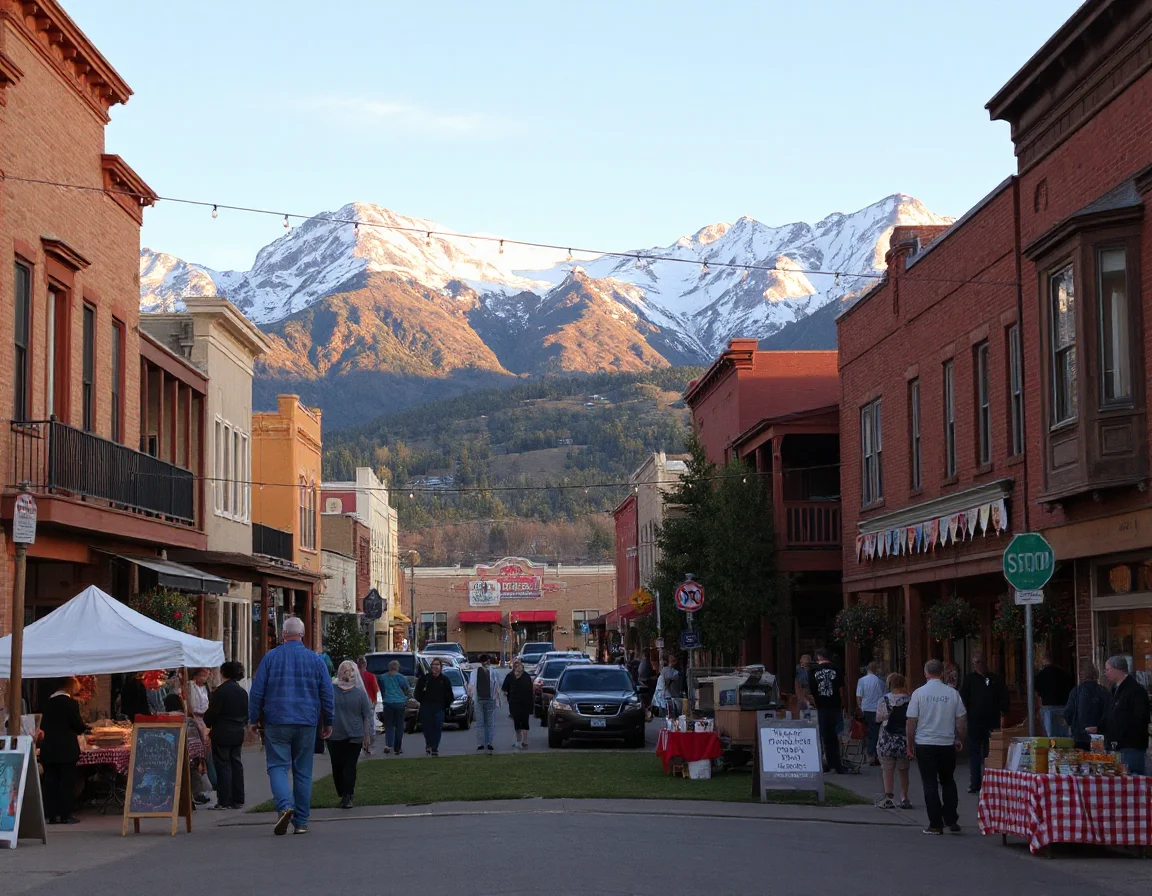
Many of the mountain names around Silverton became established during the surveying and mining expansion of the 1870s. Federal survey teams mapping the San Juan Mountains recorded names that were already circulating among prospectors, while also formalizing others that would remain on maps for generations.
Sultan Mountain is one of the clearest examples. Rising prominently southwest of town, it appears in early survey records as an established name, which suggests miners and early residents were already using it before official mapping caught up. Because of its commanding position, surveyors used Sultan as a practical reference point, and that early utility helped cement the name.
Grand Turk, nearby, appears to have been named in relation to Sultan. The two names work together, reflecting a common pattern in frontier naming where adjacent features were linked by theme, appearance, or local humor. For today’s buyers, these names still function as shorthand for where a property sits in relation to town and the surrounding terrain.
The Mining History Behind Familiar Peaks
Other Silverton mountain names came directly from the mining era. Galena Mountain, for example, points to galena, a silver-bearing ore that mattered deeply to the region’s early economy. The name was practical and descriptive, signaling geology as much as geography.
Eureka Mountain carries another classic mining-era story. The name traces back to the excitement of mineral discovery near Eureka Gulch, where prospectors found promising quartz float. Over time, the camp name and the mountain name reinforced each other, preserving that original moment of optimism and speculation.
Little Giant Peak took its name from the Little Giant Mine, one of the area’s early operations. Cinnamon Mountain, meanwhile, reflects what people could plainly see: oxidized iron coloring the mountain face in warm cinnamon tones. These names were not abstract. They were rooted in work, observation, and the economic life of the district.
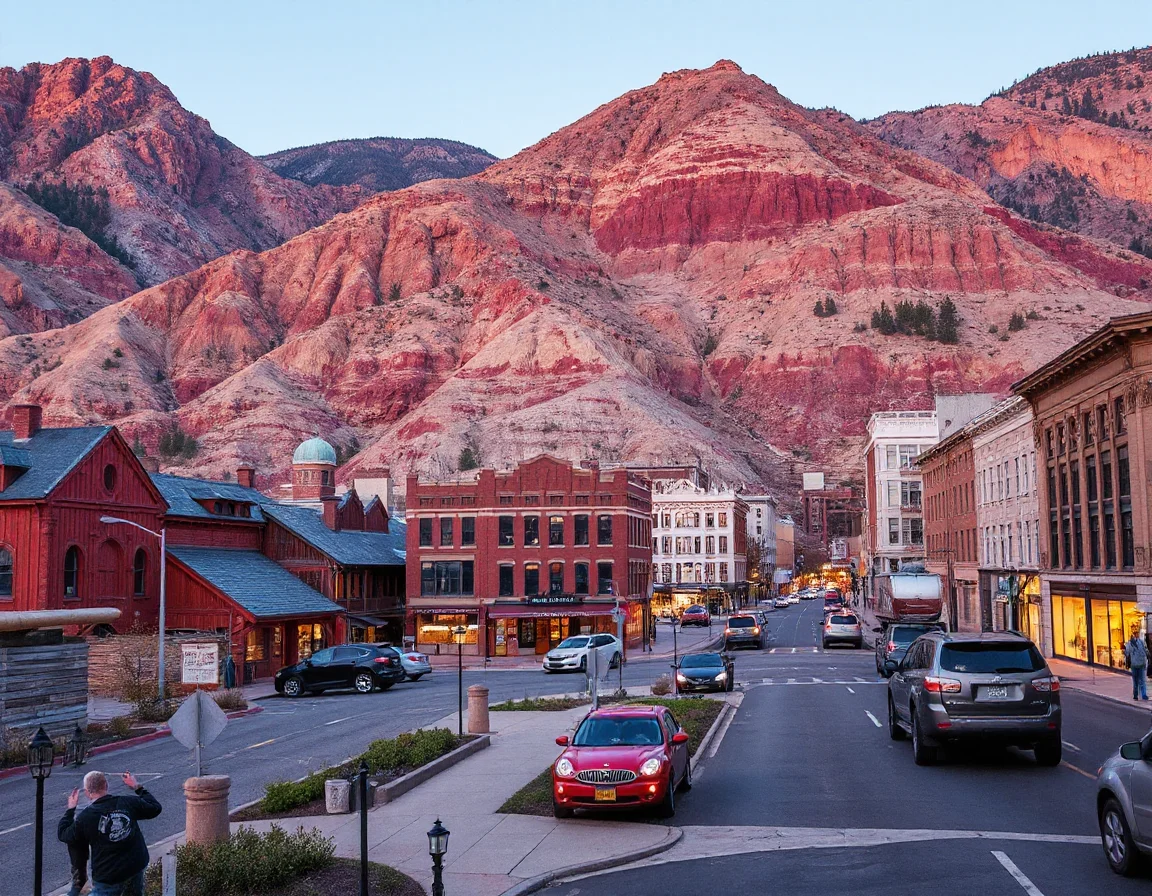
Silverton buyers are often drawn to authenticity, and place names are part of that appeal. They reflect the town’s mining roots in a way that still shapes how residents describe views, access, and location.
The Human Stories Behind Silverton’s Landmarks
Some mountain names preserve individual stories that still give Silverton its texture. Canby Mountain was named by Michael Breen for General Edward R.S. Canby, linking the San Juans to a personal Civil War memory. Jones Mountain honors Charles Jones of the original Baker party, one of the early prospectors whose life became part of local legend. Kendall Mountain, now familiar to many through recreation and community events, carries forward the name of James Kendall, another early figure in the area’s development.
For buyers and sellers, these stories matter because Silverton is not a generic mountain market. It is a place where history is visible, named, and remembered. That kind of identity can influence how buyers connect emotionally to a home, especially when they are looking for a town with depth, continuity, and a strong sense of local character.
In practical terms, this also affects marketing. Homes in Silverton are often best presented through context: not just what the property includes, but how it fits into the landscape and story of the town. A listing that clearly explains setting and surroundings can resonate more strongly with buyers who are choosing a lifestyle as much as a house.
What This Means for Buyers and Sellers Today
If you are buying in Silverton, learning the mountain names helps you understand more than scenery. It helps you interpret location references, compare views, and appreciate why one property may feel different from another even within a compact market. It also gives you a clearer sense of the town’s identity, which is often a major reason people choose to buy here in the first place.
If you are selling, these same details can strengthen how your home is positioned online. Search-friendly, answer-ready content works best when it is specific. Instead of relying on generic mountain-town language, strong Silverton marketing should connect a property to recognizable landmarks, local history, and the lived experience of being here.
A Place With Lasting Identity
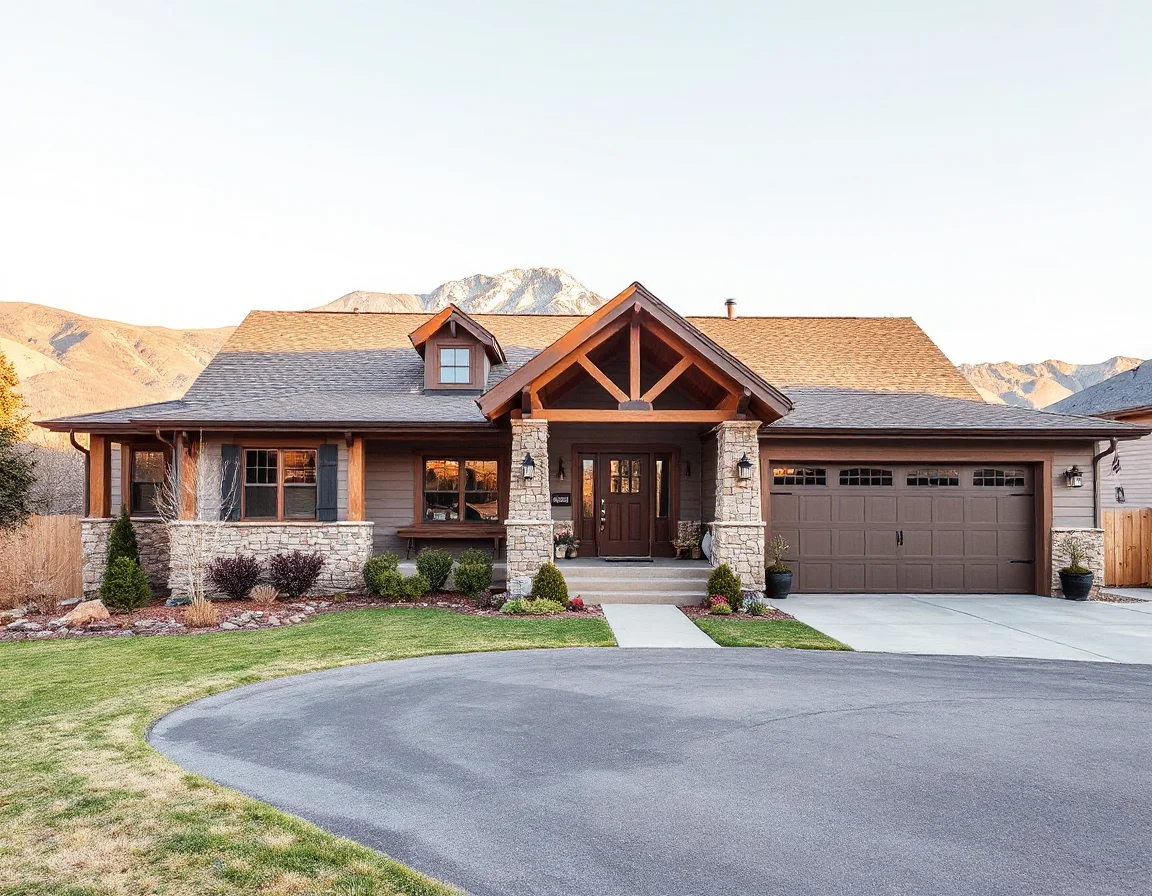
What makes Silverton memorable is not only the scenery. It is the way history remains embedded in the landscape, from old mining routes to the names residents still use every day. The mountains surrounding town are part of how people navigate, describe, and experience the community, and that gives Silverton real estate a sense of place that many buyers are actively searching for.
For anyone exploring Silverton homes or preparing to sell, understanding these names offers a clearer picture of the market and the town itself. In a place this distinctive, local knowledge is not extra—it is part of making a smart real estate decision.
Questions About Buying or Selling in Silverton?
If you are considering a move to Silverton or thinking about selling your property, our team can help you understand the local market, pricing, and what makes one location stand out from another. Reach out to discuss current opportunities and how to navigate this unique mountain market with confidence.